Lower waste safety footwear planning
Impact story

Timberland PRO sustainability starts with fewer wrong footwear purchases

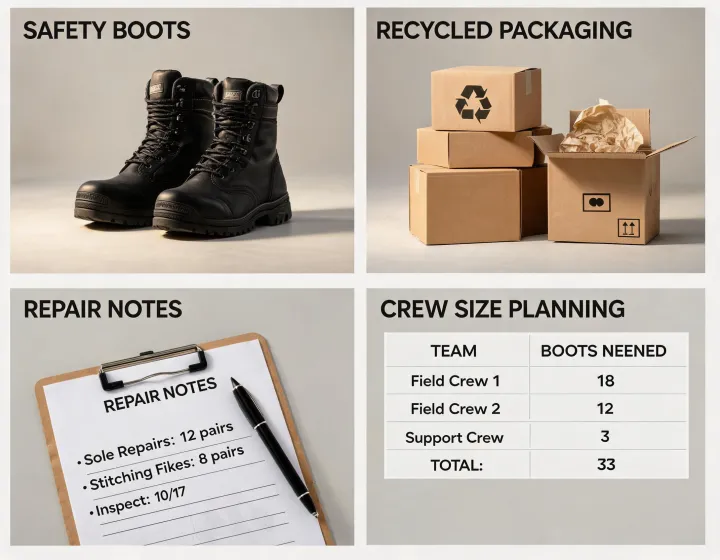
For safety footwear, responsible purchasing is not only about material claims. It is also about choosing the right boot the first time, stocking sensible sizes, and replacing pairs for clear reasons instead of habit or confusion.
Story with pullquotes

A better program can reduce waste before the box ships

Many footwear programs leak value through avoidable returns, unused sizes, informal substitutions, and boots that are too heavy or too warm for the actual job. Timberland PRO approaches sustainability by tightening the buyer conversation. We ask where the crew walks, which hazards are real, what weather affects the work, and how replacements are approved. Those answers help reduce excess stock while keeping workers connected to the protection they need.

When material or operations documentation is available, it belongs in the quote package with a clear scope. We avoid broad claims that cannot be verified for a specific product or region. That discipline protects the buyer, the worker, and the credibility of the safety program.

A lower-waste boot program is one workers can wear, supervisors can explain, and procurement can reorder without starting over.
Expandable planning tips

Small decisions that make the footwear program cleaner

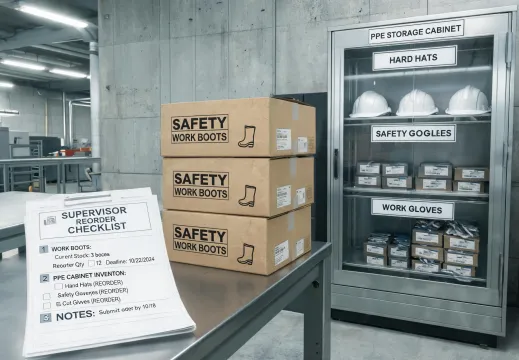
A compact list reduces accidental overbuying. Include a primary boot plus justified alternates for wet work, ESD areas, metatarsal exposure, and sizing needs.

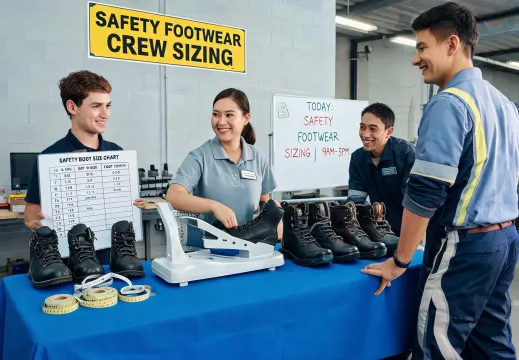
Initial stocking is a prediction. After the first order, adjust sizes using real issue and return data so uncommon sizes are available without creating shelves of unused pairs.

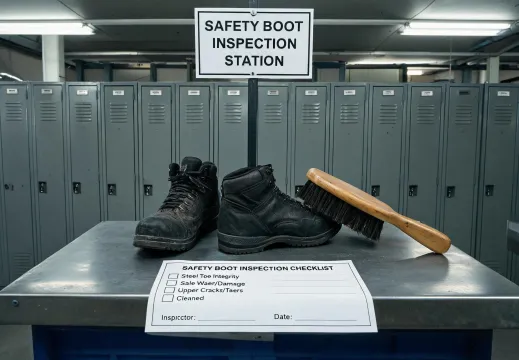
Clear triggers help workers replace unsafe footwear promptly while reducing premature replacement caused by inconsistent supervisor judgment.
Lower-waste rollout

Ask Timberland PRO to review your footwear purchasing pattern.

Send current size usage, return reasons, and work environments. We will help identify practical changes that support worker comfort and reduce avoidable stock.